
Aviation Surface Solutions
Precision Cleaning for Aircraft Maintenance, Restoration & Preservation
Because “Clean Enough” Isn’t a Flight Standard
Aviation demands more than a clean surface. It demands processes that respect the systems, materials, and engineering beneath it.
Subzero Surface Solutions provides precision cleaning, contamination control, and restoration support for aircraft owners, operators, MROs, FBOs, and aviation restoration facilities throughout Southern California.
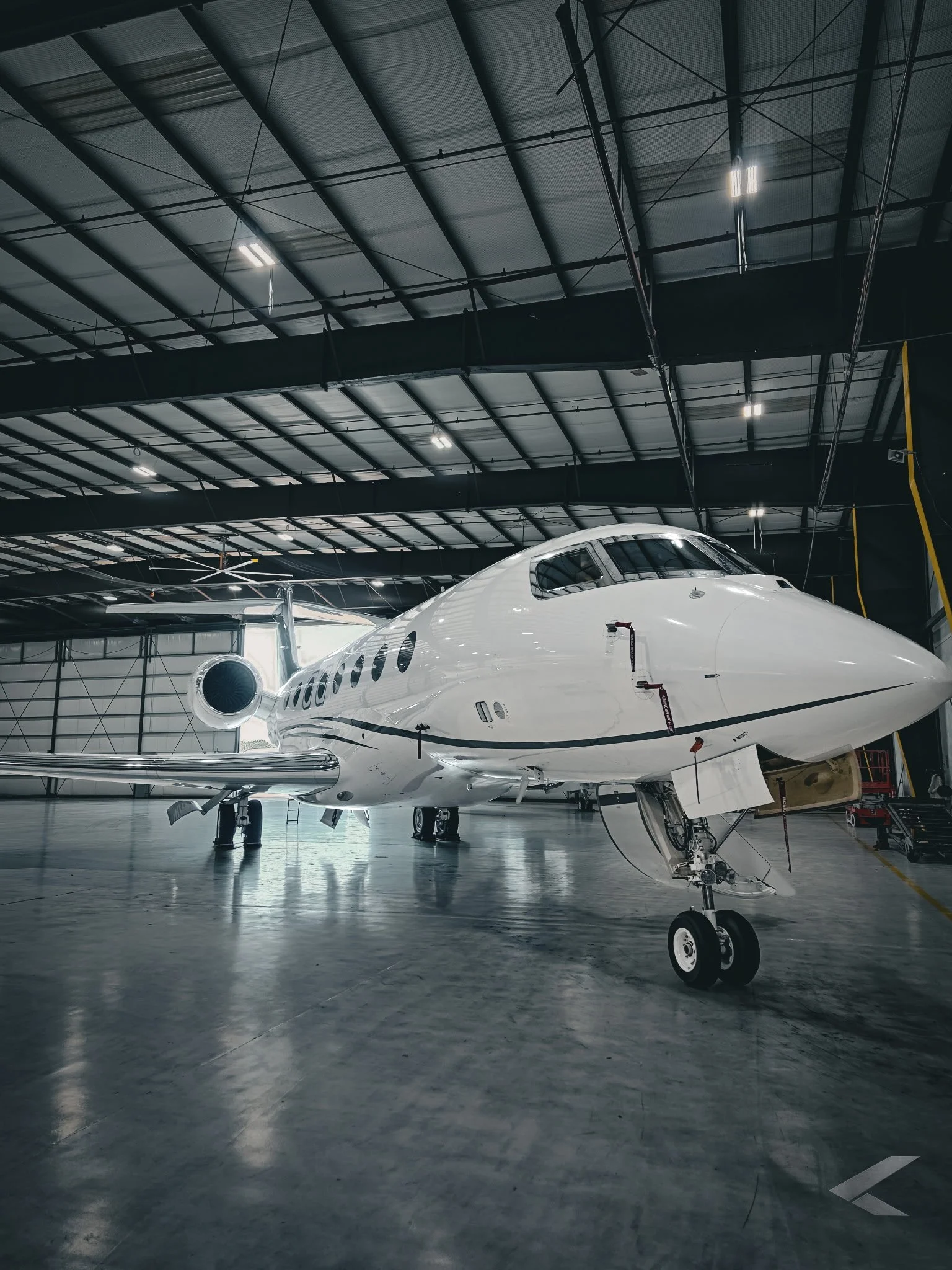
From business jets and general aviation aircraft to historic and military airframes, our approach prioritizes inspection visibility, material preservation, and maintenance efficiency. Precision dry ice blasting allows grease, hydraulic residue, carbon, oil, and operational contamination to be removed without introducing water, abrasive media, or extensive secondary cleanup.
BUILT AROUND THE AIRCRAFT
Every application begins with the aircraft, substrate, contamination, and maintenance objective. Dry ice blasting provides a highly controlled cleaning process for applications where traditional solvents, water, abrasive media, or extensive manual cleaning may be inefficient or undesirable.
Inspection Visibility
Remove accumulated contamination that can obscure fasteners, fittings, structural surfaces, leaks, and areas requiring inspection.
Material Preservation
Clean complex aircraft surfaces while minimizing impact to underlying substrates, coatings, finishes, and surrounding components.
Maintenance Efficiency
Reduce solvent use, manual wiping, secondary media cleanup, and unnecessary aircraft downtime.
Applications Across the Airframe
Landing Gear & Wheel Wells
Grease, hydraulic residue, runway contamination, and accumulated operational buildup.
Engine Compartments & Components
Oil, grease, carbon, and baked-on contamination in maintenance-intensive areas.
Airframe & Structural Areas
Controlled cleaning of complex geometries, fasteners, structural surfaces, and difficult-to-access areas.
Restoration & Preservation
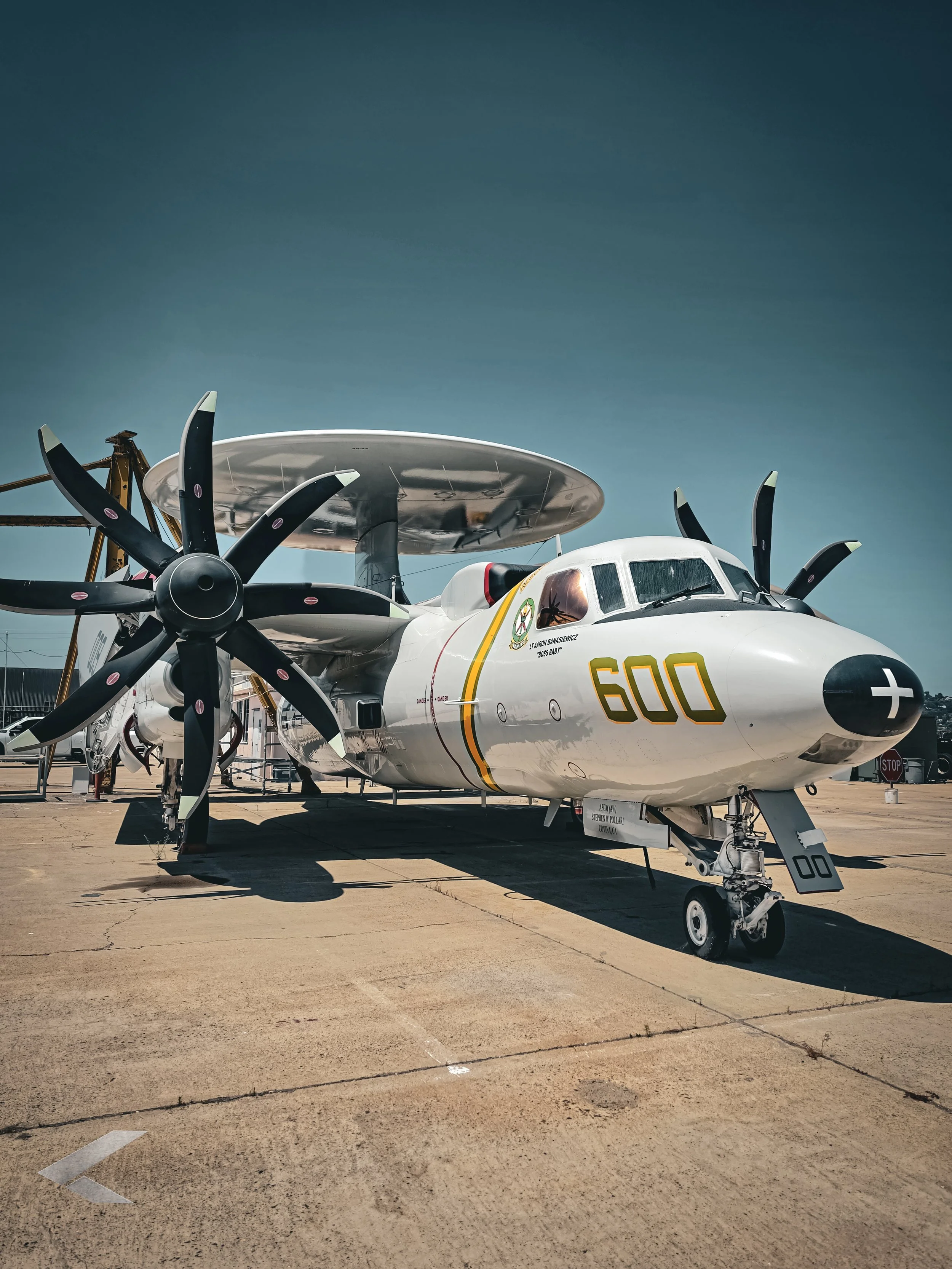
Precision cleaning for historic, military, and significant aircraft where maintaining original materials and finishes is critical.
Inspection Preparation
Removal of contamination that may interfere with visual inspection and maintenance.
Dry ice blasting relies on three simultaneous physical reactions that occur the moment the CO₂ pellet impacts the surface:
PROVEN ACROSS AVIATION

PRECISION WHERE IT MATTERS
From routine maintenance support to complex contamination and preservation challenges, Subzero works directly with owners, operators, maintenance organizations, and restoration teams to evaluate each application and determine the appropriate approach.